What Is CIRS? Understanding Chronic Inflammatory Response Syndrome
In 2020, I went from being a healthy, active person to barely being able to function.
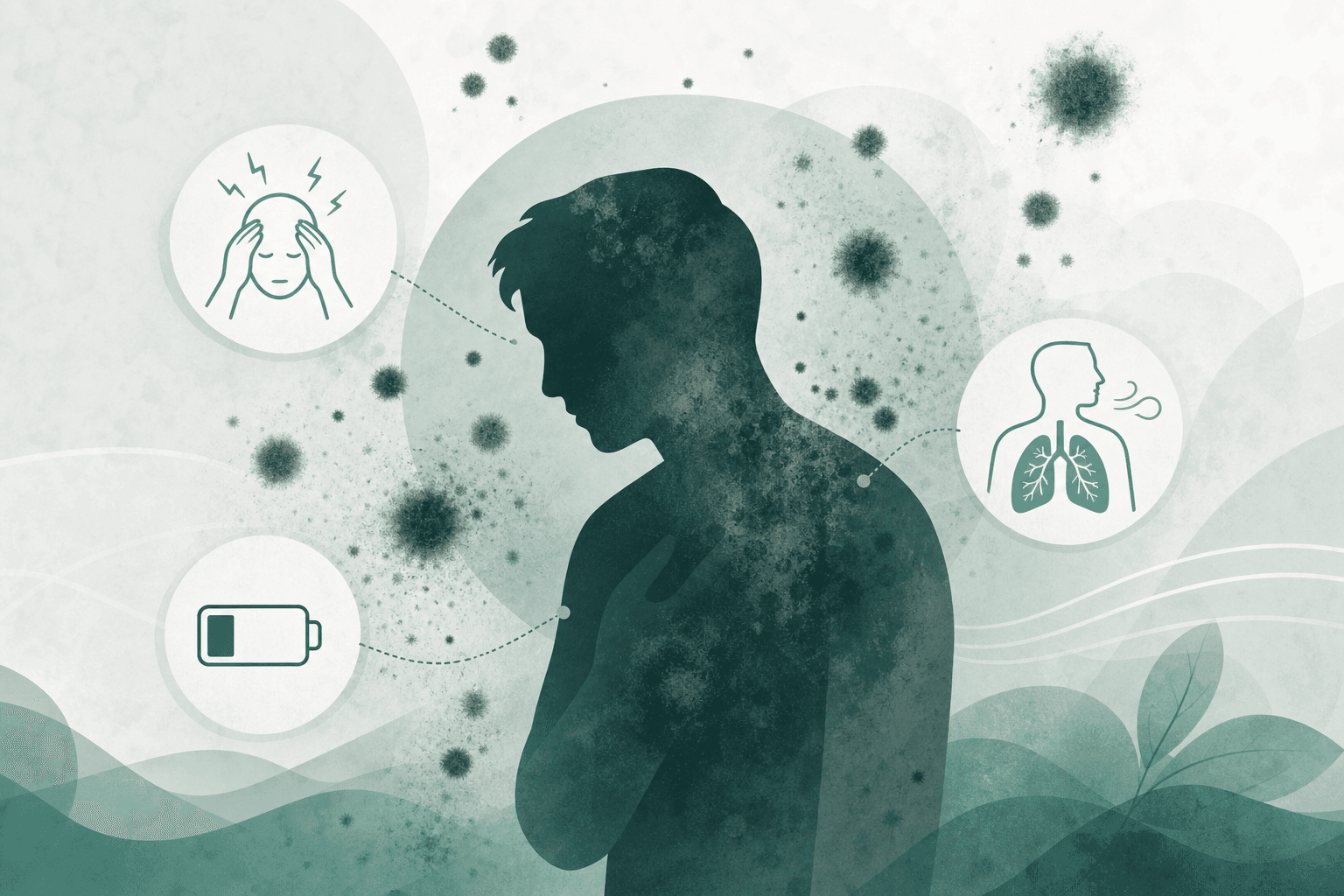
It started with fatigue — the kind that sleep doesn't fix. Then came the brain fog. I couldn't concentrate. I couldn't remember simple things. My joints ached. My breathing felt off. I was anxious for no reason. I went to doctor after doctor, and nobody could figure out what was wrong.
Then one doctor — finally — asked the question that changed everything: "Have you had any water damage in your home?"
I had. And that's how I learned about CIRS — Chronic Inflammatory Response Syndrome. A condition that, once you understand it, explains why millions of people are mysteriously sick and nobody can tell them why.
I spent three years recovering. It was the hardest thing I've ever done. And it's the reason I built Moldmap — so other people could protect themselves before they end up where I was.
This is the guide I wish I'd had before I got sick.
What Exactly Is CIRS?
CIRS stands for Chronic Inflammatory Response Syndrome. It was first identified and defined by Dr. Ritchie Shoemaker, a physician who spent decades researching how biotoxins from water-damaged buildings affect human health.
In simple terms: CIRS is what happens when your body is exposed to biological toxins — primarily from mold and bacteria in water-damaged buildings — and your immune system can't clear them properly.
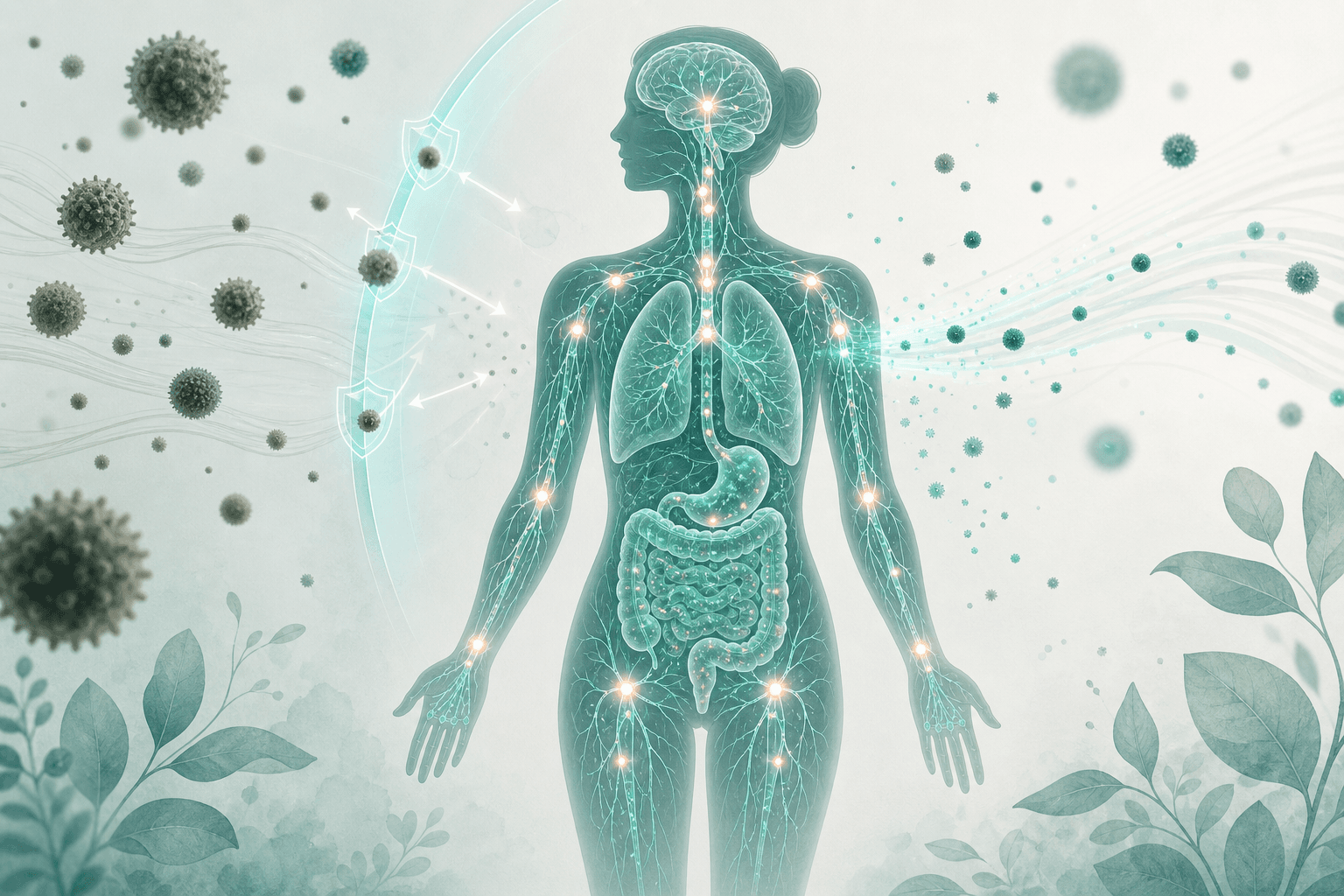
Here's the key part that most people miss: not everyone exposed to mold gets CIRS. About 75% of the population can detect and eliminate these biotoxins naturally. Their immune system recognizes the threat, tags it, and removes it. They might feel a little sneezy or get a headache, but they recover once they leave the environment.
The other 25% — roughly one in four people — have a genetic variation in their HLA (Human Leukocyte Antigen) genes that makes their immune system essentially blind to these toxins. Their body can't tag them for removal. So the toxins circulate, triggering a cascade of chronic inflammation that affects virtually every system in the body.
That's CIRS. It's not an allergy. It's not psychosomatic. It's a measurable, diagnosable inflammatory condition with a clear biological mechanism.
Common CIRS Symptoms
One of the reasons CIRS is so often misdiagnosed is that it affects multiple body systems simultaneously. Patients often get labeled with "anxiety," "depression," "chronic fatigue syndrome," or "fibromyalgia" — or they're told their labs look normal and there's nothing wrong.
Here are the most common symptoms, organized by system:
Neurological
- Brain fog and difficulty concentrating
- Memory problems (especially short-term memory)
- Headaches
- Difficulty finding words
- Disorientation or confusion
- Vertigo and dizziness
- Numbness and tingling
- Tremors
Respiratory
- Shortness of breath
- Chronic cough
- Sinus congestion that doesn't respond to treatment
- Frequent respiratory infections
- Wheezing
Musculoskeletal
- Joint pain (often mistaken for early arthritis)
- Muscle aches and cramps
- Morning stiffness
- Weakness
Immune & Systemic
- Chronic fatigue that doesn't improve with rest
- Temperature regulation problems (hot/cold swings)
- Increased sensitivity to light
- Static shocks (yes, really — this is a recognized symptom)
- Night sweats
- Frequent illness
Psychological
- Anxiety (often sudden onset)
- Depression
- Mood swings
- Irritability
- Sleep disturbances
Digestive
- Abdominal pain
- Diarrhea
- Appetite changes
- Food sensitivities that seem to appear out of nowhere
Skin
- Rashes
- Hives
- Skin sensitivity
The critical pattern to notice is the multi-system nature of CIRS. If you're experiencing symptoms across three or more of these categories — and your doctors can't find a clear cause — environmental exposure should be on the table.
How CIRS Is Diagnosed
CIRS is diagnosed through a combination of clinical criteria, lab tests, and environmental history. Dr. Shoemaker developed a specific diagnostic protocol that includes:
1. Symptom Cluster Analysis
A qualified practitioner will review your symptoms against the known CIRS symptom clusters. Having symptoms in eight or more of the thirteen identified clusters is considered significant.
2. Visual Contrast Sensitivity (VCS) Test
This is a simple eye test that measures your ability to distinguish between shades of gray. Biotoxins affect the neurological pathways involved in contrast detection, so CIRS patients frequently fail this test. It's not 100% diagnostic on its own, but it's a useful screening tool. You can even take a version of it online.
3. Lab Biomarkers
Several blood tests can help confirm CIRS:
- MSH (Melanocyte Stimulating Hormone) — often very low in CIRS patients. MSH regulates inflammation, mood, sleep, and pain perception.
- MMP-9 (Matrix Metalloproteinase-9) — elevated in CIRS. Indicates active inflammation.
- TGF-Beta 1 — often extremely elevated. Linked to inflammation and autoimmune activity.
- VEGF (Vascular Endothelial Growth Factor) — can be either very high or very low.
- C4a — an inflammatory marker that's often elevated.
- ADH/Osmolality — frequently out of range, explaining the excessive thirst and frequent urination many patients experience.
- Leptin — often elevated, which can cause weight gain resistance to dieting.
4. HLA-DR Gene Testing
A simple blood test can identify whether you carry the genetic variations that make you susceptible to CIRS. This doesn't mean you will get CIRS — only that you're at higher risk if exposed.
5. Environmental Testing
Testing your home or workplace for mold and mycotoxins. This can include ERMI (Environmental Relative Moldiness Index) testing, air sampling, or direct surface sampling.
The Treatment Path
CIRS treatment follows a specific protocol, often called the Shoemaker Protocol. It's sequential — each step builds on the last:
Step 1: Remove Yourself from Exposure
This is non-negotiable and the most important step. You cannot recover while you're still being exposed. For me, this meant leaving my apartment — which was devastating, but it was the turning point.
This is also why tools like Moldmap matter. If you can check the mold history and air quality of a building before you move in, you can avoid exposure in the first place.
Step 2: Cholestyramine (CSM) or Welchol
These are binding agents that attach to biotoxins in your gut and help your body eliminate them. Since people with the susceptible HLA genes can't clear these toxins naturally, binders act as the mechanism your body is missing.
Step 3: Address MARCoNS
Many CIRS patients develop MARCoNS — Multiple Antibiotic Resistant Coagulase Negative Staphylococci — a biofilm-forming bacterial infection in the nasal passages. This is treated with specific nasal protocols.
Step 4: Correct Biomarkers
Working with a practitioner to normalize the inflammatory markers identified in testing — MMP-9, TGF-Beta 1, C4a, VEGF, and others.
Step 5: VIP (Vasoactive Intestinal Peptide)
The final step for some patients involves VIP nasal spray to restore hormonal balance and resolve remaining symptoms.
Important note: This is a medical protocol that should only be undertaken with a qualified practitioner. I'm sharing it here for education, not as medical advice. Every CIRS patient's journey is different.
Why Most Doctors Miss CIRS
I'm not going to sugarcoat this: most conventional doctors don't know about CIRS. There are reasons for that:
- It's not taught in medical school. Environmental medicine is a tiny fraction of medical education, if it's covered at all.
- The symptoms overlap with many other conditions. Fatigue, brain fog, joint pain — these are common complaints that usually get attributed to something else.
- The labs are unusual. Most standard blood panels don't include the markers that reveal CIRS. If your doctor runs a CBC and CMP and everything looks "normal," they may conclude there's nothing wrong.
- There's no pharmaceutical blockbuster treatment. Much of medical research is driven by pharmaceutical funding. CIRS treatment doesn't involve expensive patented drugs, so there's less commercial incentive to promote awareness.
This is slowly changing. More practitioners are becoming certified in the Shoemaker Protocol, and awareness is growing through communities, podcasts, and platforms like Moldmap. But we still have a long way to go.
Finding a CIRS-Literate Practitioner
If you suspect you might have CIRS, finding the right doctor is critical. Here's what to look for:
- Shoemaker-certified practitioners — Dr. Shoemaker's organization maintains a list of certified practitioners who have completed training in his protocol.
- Functional medicine doctors with experience in environmental illness
- Integrative medicine practitioners who specialize in mold illness
- Naturopathic doctors with biotoxin illness training
Ask potential practitioners: "Are you familiar with the Shoemaker Protocol for CIRS?" and "Do you order MSH, MMP-9, and TGF-Beta 1 labs?" If they don't know what those are, keep looking.
How to Protect Yourself
Prevention is always better than treatment. Here's what you can do right now:
- Check your environment. Search your apartment, hotel, or workplace on Moldmap to see if there's mold risk data or community reviews about air quality.
- Get HLA gene testing. A simple blood test can tell you if you're genetically susceptible. If you are, you'll want to be especially vigilant about your indoor environments.
- Learn the warning signs. Musty smells, visible water damage, chronic condensation on windows — these are all indicators that a building may have mold issues.
- Trust your body. If you consistently feel worse in a specific building and better when you leave, that's data. Don't let anyone dismiss it.
- Share your experience. If you've dealt with mold in a building, leave a review on Moldmap. Your experience could protect someone else from years of suffering.
You're Not Crazy. You're Not Making It Up.
If you've been going through something like what I described — the unexplained symptoms, the doctors who can't find anything, the feeling that something is deeply wrong but nobody believes you — I want you to know: you're not crazy.
CIRS is real. It's measurable. It's treatable. And it affects far more people than the medical establishment currently acknowledges.
I lost three years of my life to this condition. I don't want that for anyone else. That's why I built Moldmap — not just as a product, but as a mission. Every building that gets reviewed, every air quality score that gets shared, every person who checks their apartment before signing a lease — that's one more person who might avoid what I went through.
We're building a world where healthy indoor air is the standard, not the exception. And you're part of that.
-justin
Moldmap helps people compare apartments, hotels, and rentals using community reports, public data, and Moldmap SensiScore. Search listings at moldmap.io.
This article is for informational purposes only and does not constitute medical advice. If you suspect you have CIRS or any environmental illness, please consult a healthcare professional experienced in environmental medicine. The Shoemaker Protocol should only be undertaken under the supervision of a qualified practitioner.
Find your next stay
Browse thousands of hotels and rentals with community reviews and Moldmap SensiScore
Become a Member