Complete Guide to Indoor Air Quality for Hotels, Rentals & Apartments
We obsess over hotel reviews for the mattress, the breakfast, the view from the balcony. But almost nobody talks about the thing that actually matters most: the air.
I learned this the hard way. After recovering from CIRS — a chronic illness caused by breathing contaminated indoor air — I realized that every time I walked into a building, I was making a bet with my health. And I had zero information to make that bet wisely.
So I built Moldmap. And along the way, I learned a lot about what makes indoor air healthy (or not). Here's everything I wish I'd known before my first bad experience.
Why Indoor Air Quality Matters More Than You Think
The average American spends approximately 90% of their time indoors, according to the EPA. And indoor air can be 2 to 5 times more polluted than outdoor air — sometimes up to 100 times worse.
When you travel, rent a new apartment, or move into a new office, you're walking into someone else's air quality decisions. Their HVAC maintenance habits. Their cleaning products. Their building's age and water history. Their choices about ventilation, filtration, and fragrance.
And unlike food safety (regulated, inspected, graded), nobody is inspecting the air in the buildings where you sleep.
Until now.
What Actually Affects Indoor Air Quality?
1. Mold and Moisture
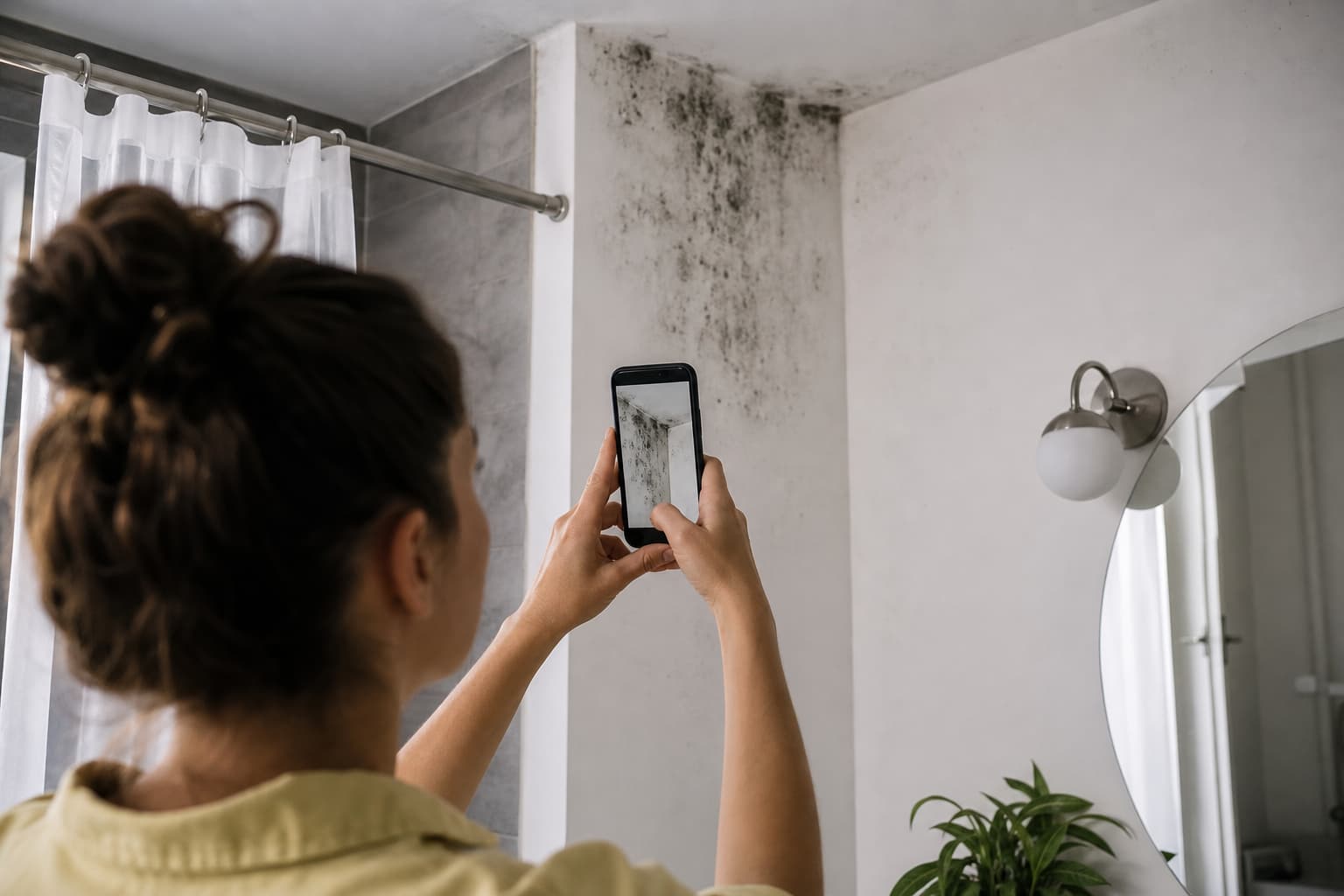
This is the big one. Mold grows wherever there's moisture and organic material — and in a country where roughly half of buildings have experienced some form of water damage, the odds aren't great.
Mold doesn't just cause allergies. Certain species produce mycotoxins — toxic compounds that can trigger chronic inflammatory responses in genetically susceptible individuals. This is the mechanism behind CIRS and related conditions.
What creates mold risk in a building:
- History of water leaks, floods, or plumbing failures
- Poor ventilation in bathrooms and kitchens
- HVAC systems that aren't properly maintained
- High indoor humidity (above 60%)
- Building envelope failures (roof leaks, foundation seepage)
- Carpeting in humid climates or on ground floors
2. Volatile Organic Compounds (VOCs)
VOCs are gases released from cleaning products, air fresheners, paint, new furniture, dry-cleaned clothing, and building materials. That "new hotel room smell"? That's often a cocktail of formaldehyde, benzene, and other compounds you don't want in your lungs.
Common sources in hotels and apartments:
- Plug-in air fresheners and fragrance diffusers
- Harsh cleaning chemicals
- New carpet or flooring (off-gases for weeks to months)
- Fresh paint
- Dry-cleaned bedding or curtains
3. Particulate Matter
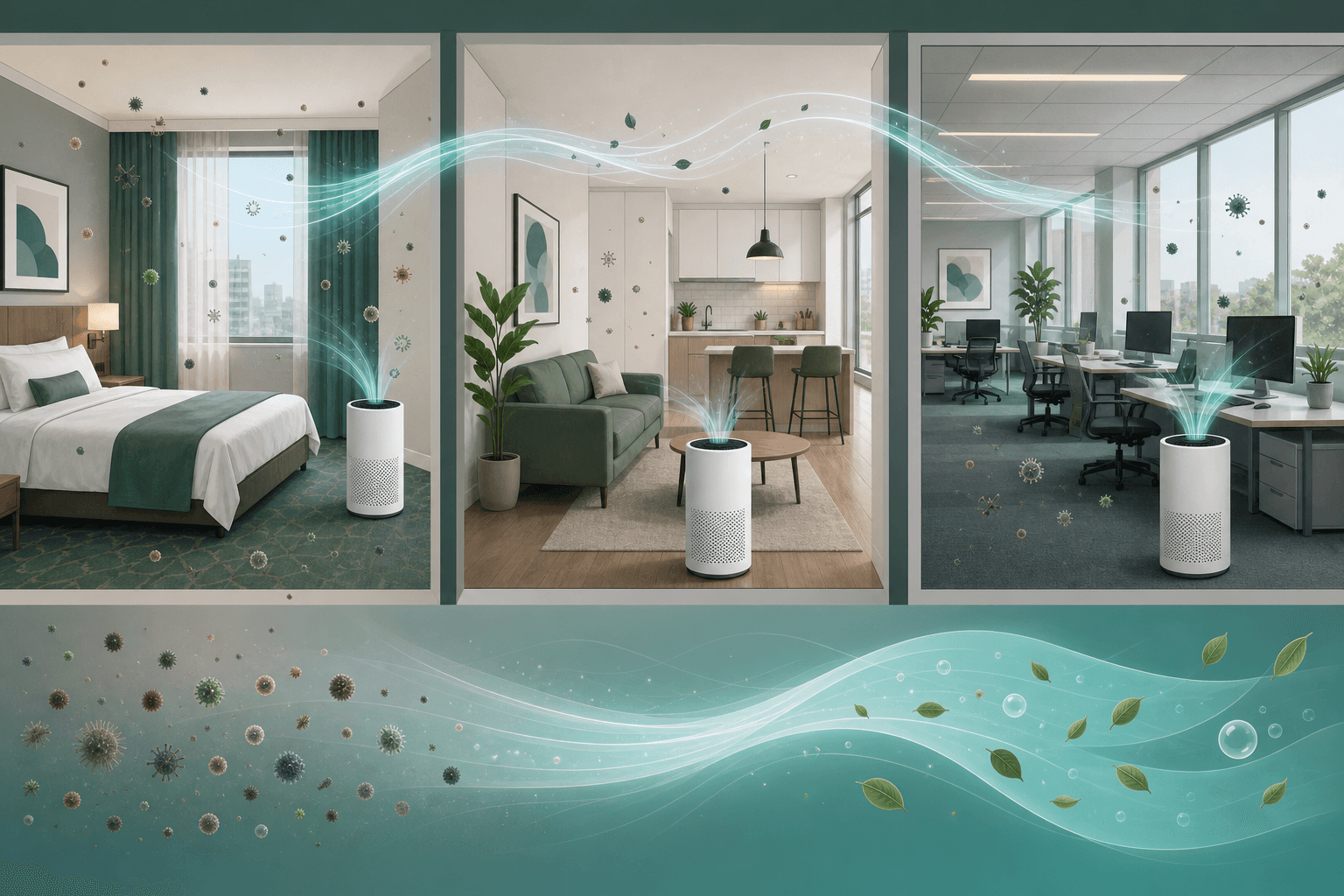
Dust, dander, pollen, and mold spores all fall under this category. The key factor is filtration — buildings with HEPA-grade air filtration systems can reduce particulate matter by 95%+. Buildings with old, unchanged HVAC filters are recirculating the same contaminated air over and over.
4. Carbon Dioxide (CO2)
High CO2 levels are a direct indicator of poor ventilation. When a room is poorly ventilated, CO2 builds up from human breathing. Studies have shown that CO2 levels above 1,000 ppm impair cognitive function — you literally think less clearly.
Most well-ventilated buildings maintain CO2 below 800 ppm. Poorly ventilated hotel rooms, especially interior rooms without operable windows, can exceed 2,000 ppm overnight.
5. Fragrance and Chemical Sensitivity
This one is increasingly recognized. Many hotels, lobbies, and apartments use commercial fragrance systems that pump synthetic fragrances into common areas. For people with Multiple Chemical Sensitivity (MCS) or mold illness, these can trigger immediate and severe symptoms.
The "Sick Building" Problem
Sick Building Syndrome isn't a fringe concept — it's a recognized condition where building occupants experience health problems directly linked to time spent in a building. The World Health Organization has acknowledged it since the 1980s.
Symptoms of sick building syndrome include:
- Headaches that resolve after leaving the building
- Fatigue and difficulty concentrating
- Irritation of eyes, nose, and throat
- Dry or itchy skin
- Dizziness and nausea
If you've ever felt fine everywhere except your apartment, your hotel room, or your office — and the feeling goes away when you leave — you may be experiencing this.
How to Evaluate Air Quality Before You Book or Sign
For Hotels and Short-Term Rentals
Before you book:
- Search the property on Moldmap — review Moldmap SensiScore, read community reports from other travelers, and look at building features
- Read reviews with an air quality lens — search for mentions of "musty," "moldy," "smell," "damp," "allergies," or "couldn't breathe." These are often buried in otherwise positive reviews
- Look for key building features — does the hotel mention HEPA filtration, fragrance-free rooms, or non-toxic cleaning? These are increasingly common and they matter
- Call ahead and ask — "Do you have fragrance-free rooms?" "When was the HVAC system last serviced?" "Are any rooms near areas with known water damage?" A good hotel will answer these without hesitation
During your stay:
- When you first enter the room, stand still for 60 seconds and breathe normally. Does the air feel clean or stale?
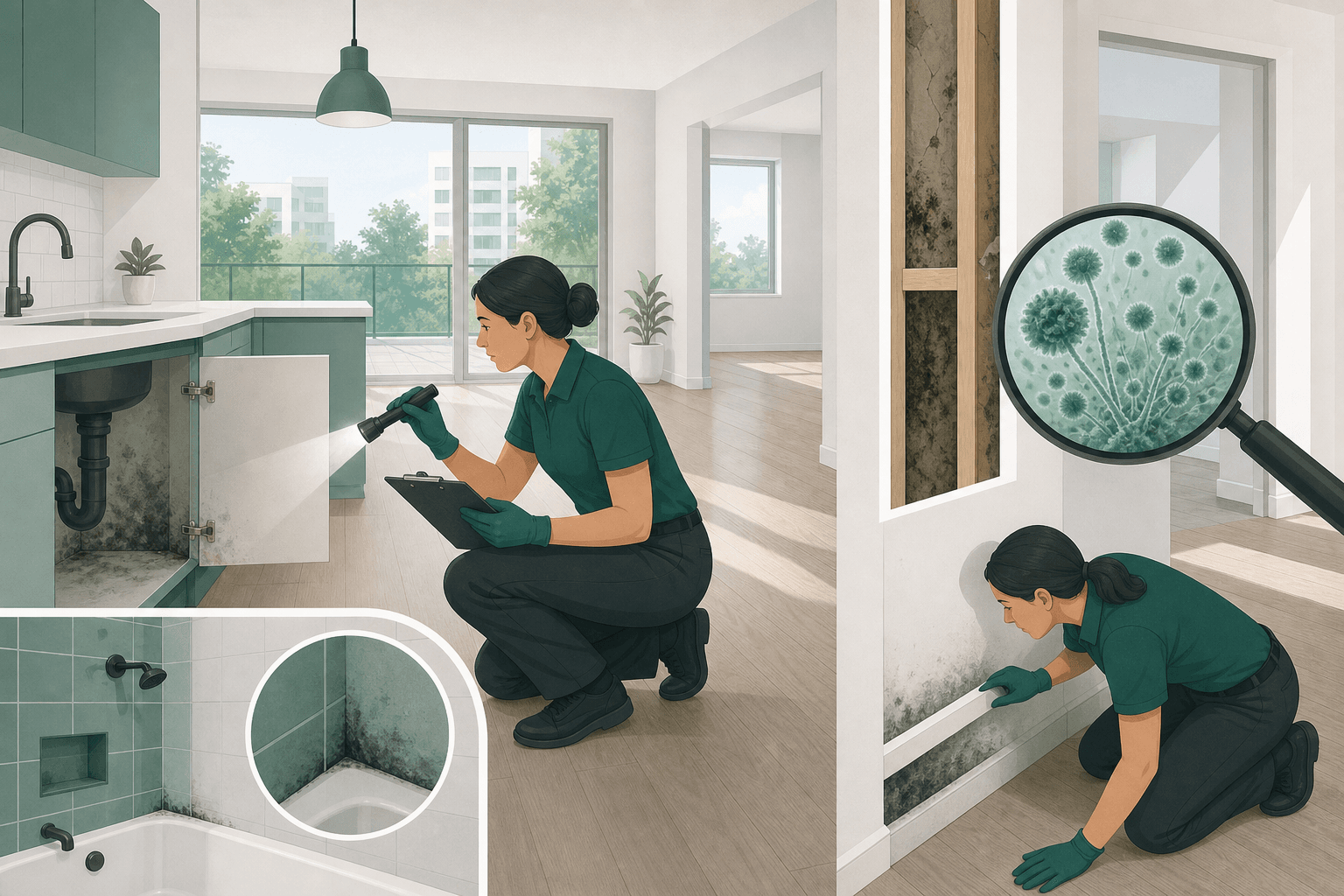
- Check the bathroom for mold along grout, caulking, and the ceiling
- Look at the HVAC vent — is there dark discoloration around it?
- Open the window if possible to compare indoor and outdoor air
- If you travel with a portable CO2 monitor (I recommend it), check the levels overnight
For Apartments and Long-Term Rentals
The stakes are higher here because you're committing to months or years.
- Do the full apartment mold inspection — check under sinks, around windows, bathroom ventilation, HVAC system, and building exterior
- Ask for the building's water damage history in writing
- Request an ERMI or HERTSMI-2 test if you're mold-sensitive — or do a DIY dust collection kit before signing
- Check the building on Moldmap — existing reviews and mold risk data from other tenants can save you from a costly mistake
- Negotiate air quality clauses — some tenants are now including mold remediation requirements in their leases
What "Good" Indoor Air Looks Like
| Factor | Healthy Range | Concerning |
|---|---|---|
| Relative Humidity | 30-50% | Above 60% |
| CO2 Level | Below 800 ppm | Above 1,000 ppm |
| Particulate Matter (PM2.5) | Below 12 μg/m³ | Above 35 μg/m³ |
| ERMI Score | Below 2 | Above 5 |
| Mold Spore Count | Below 700/m³ | Above 1,500/m³ |
| VOC Level | Below 0.5 mg/m³ | Above 1.0 mg/m³ |
These numbers aren't perfect — context matters, and individual sensitivity varies widely. But they give you a baseline for understanding what you're breathing.
Tools You Can Travel With
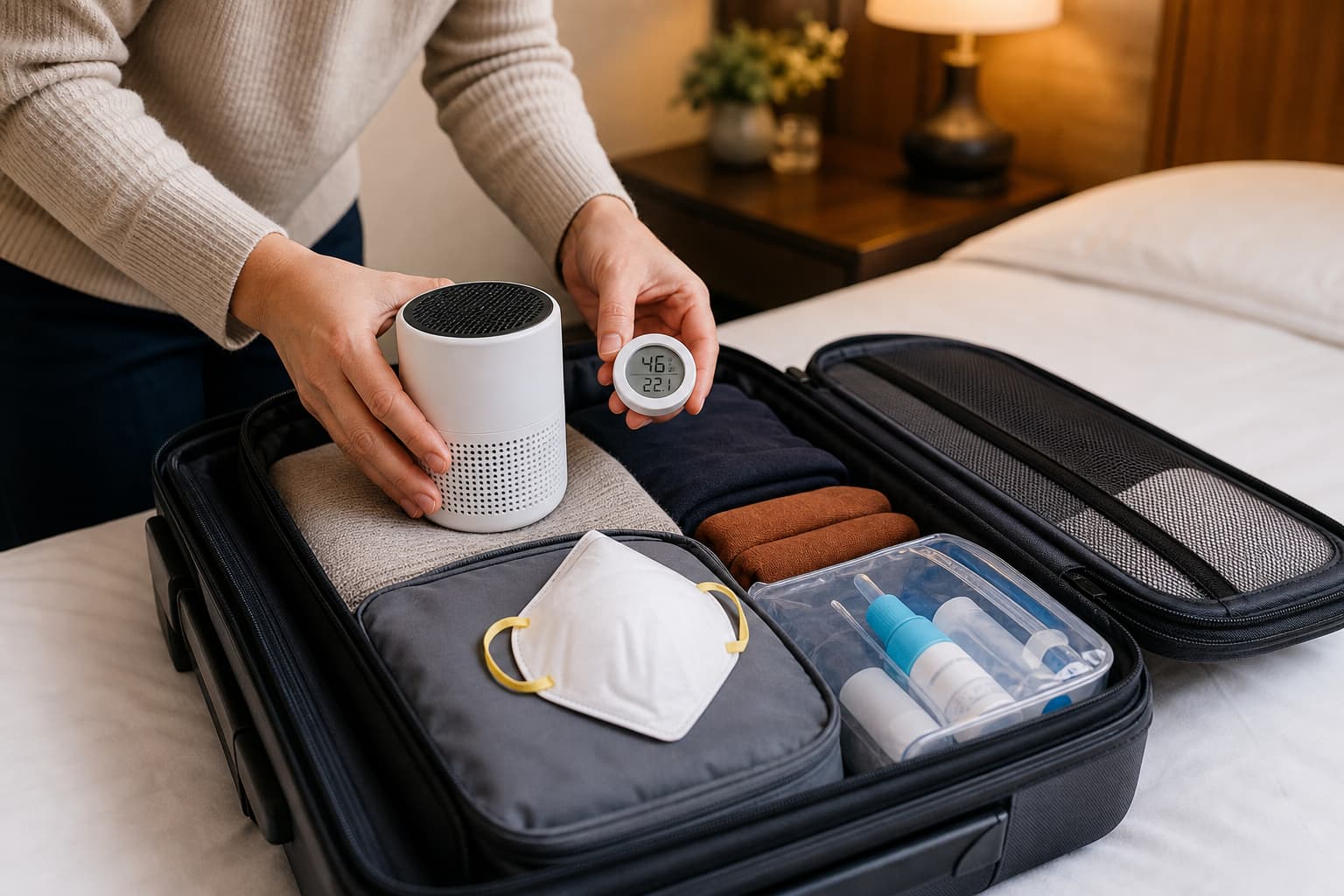
You don't need a full lab to get useful air quality data. Here are tools I use:
- Portable CO2 monitor ($50-100) — tells you immediately if a room is well-ventilated
- Hygrometer ($10-20) — measures humidity; above 60% = mold risk
- Portable HEPA air purifier ($80-200) — I never travel without one. Even if the room air quality isn't great, running a HEPA purifier while you sleep makes a significant difference
- ERMI dust collection kit ($200-300) — for longer stays or apartments you're considering signing a lease for
The Future We're Building
Right now, booking a hotel or signing a lease is a gamble with your health. You're trusting that the building is safe based on... nothing. Photos and reviews that never mention the air.
That's what Moldmap is changing. We've indexed over 126,000 locations across the U.S. with Moldmap SensiScore based on available building, climate, flood, and area-level information, plus community reports. Our community is adding real, lived-experience reviews every day.
The goal? A world where checking a building's predicted air-quality signals is as normal as checking its star rating — not as a safety certification, but as one more input travelers and businesses can use alongside their own due diligence.
We're not there yet. But every review, every check-in, every person who joins the community gets us closer.
Come breathe easier with us at moldmap.io.
-justin
Moldmap helps people compare apartments, hotels, and rentals using community reports, public data, and Moldmap SensiScore. Search listings at moldmap.io.
This article is for informational purposes only and does not constitute medical advice. If you suspect indoor air quality is affecting your health, please consult a healthcare professional experienced in environmental medicine.
Find your next stay
Browse thousands of hotels and rentals with community reviews and Moldmap SensiScore
Become a Member